


REEF-SPEC activated carbon
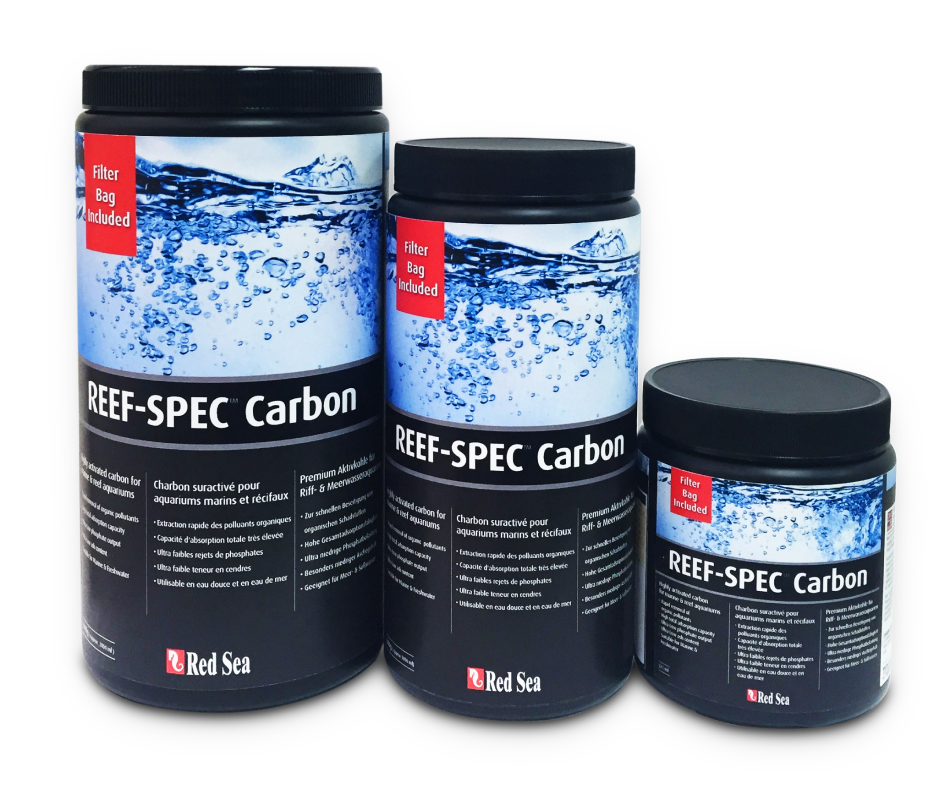
Red Sea REEF-SPEC™ activated carbon is the ultimate choice for reef & saltwater aquariums due to its unique technical properties.
REEF-SPEC activated carbon is available in packaging sizes 100g, 250g, 500g and 1000g.
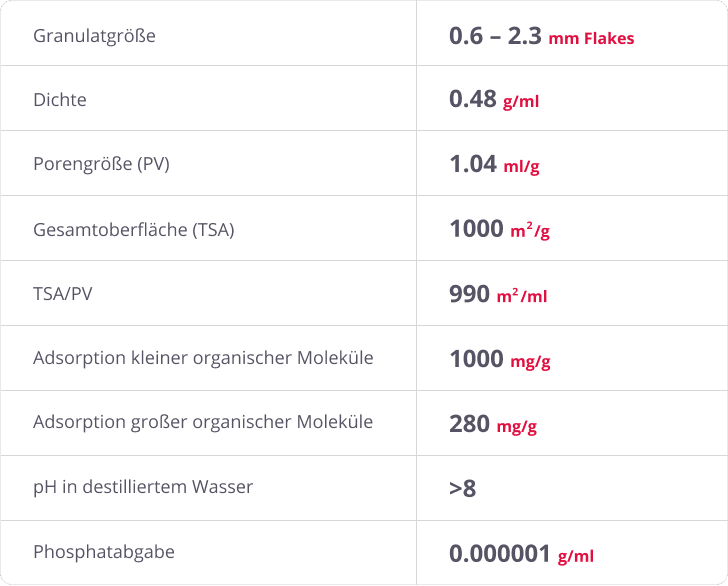
The granule size and micro/macropore structure ensure a very high overall adsorption capacity and rapid removal of organic pollutants found in a reef aquarium.
REEF-SPEC activated carbon has an extremely low phosphate load and minimal ash content, while the pH value of the aquarium water is not affected.
Red Sea REEF-SPEC Premium Activated Carbon requires less frequent replacement than activated carbon not specifically manufactured for reef aquariums or of lower quality and is an effective, cost-effective solution for providing the best water quality in reef & saltwater aquariums.
Characteristics
- Fast removal of organic pollutants
- High total adsorption capacity
- Extremely low phosphate release
- Minimum ash content
- Suitable for sea and fresh water
- Filter bags included (100g, 250g, 500g, 1000g)
REEF-SPEC activated carbon properties
The Role of Activated Carbon in the Reef Aquarium
Why do we need to use activated carbon in a reef aquarium?
There are organic pollutants that can only be removed from the water of a reef aquarium using activated carbon.
The reef aquarium is a closed artificial ecosystem in which living organisms constantly produce organic waste consisting of proteins, fats, carbohydrates, organic acids and phenols.
Allowing organic substances to decompose increases the activity of many undesirable microorganisms in the aquarium, increases the total oxygen demand (BOD - biochemical oxygen demand, COD - chemical oxygen demand), reduces the redox potential and causes excessive production of CO2 through bacterial respiration, which reduces the pH.
In addition, there will be an increase in nitrogen and phosphorus compounds, which promote the growth of nuisance bacteria and possibly algae. The resulting organic matter also has a significant impact on the penetration of light, especially in the blue and near-UV spectra, which stimulate coral growth.
Removing organic matter from the water is therefore crucial to the success of the aquarium. By using strong protein skimming, fine mechanical filtration and healthy biological filtration (nitrification and denitrification) the large organic particles and the end products of the organic decomposition processes are treated. However, there are many small organic particles that can only be removed with very fine mechanical microfiltration using activated carbon.
How does activated carbon filter water?
Scientifically speaking, carbon removes organic matter from the water through a physical process called adsorption. Within a reef aquarium, the submicroscopic pores of the activated carbon are the final stage of mechanical filtration, adsorbing the organic molecules that are too small to be removed from the water by even the finest mechanical filters or physically by protein skimming.
Adsorption can be thought of as the adhesion of a molecule to the surface by attractive forces. This occurs within the submicroscopic pores of the coal because the attractive forces between the organic molecules and the internal surfaces of the coal are much greater than the attractive forces that would keep them in solution. This continues until all of the surface area inside the coal is used up and it is consequently saturated with organic matter.
What is activated carbon?
Activated carbon is an extremely porous material with a sponge-like structure, but with a very large internal surface area in relation to its actual physical size. It is made from many organic materials that have a high carbon content, such as coconut shells, nut shells, lignite and bituminous coal or anthracite. The carbon-based material is "activated" by physical modification and thermal decomposition in a furnace under a controlled atmosphere and temperature.
The activation process significantly increases the surface area per unit volume of a fine network of submicroscopic pores, which gives activated carbon the ability to be used as a filter material. The specific source of the carbon and the activation process used determine the physical properties of the final product. Since there are many different grades of activated carbon, they must be specifically selected for each application.
What makes a specific carbon ideal for use in reef aquariums?
There are a number of internationally recognized tests for evaluating and comparing activated carbon. However, the most important parameters for selecting a carbon for reef aquariums are the iodine and methylene blue number. These two parameters measure the ability of the carbon to absorb all the organic waste from a reef aquarium that has not been removed by mechanical filtration and protein skimming. The higher the number, the more organic matter is removed from the aquarium per gram of activated carbon used. Both numbers are approximately equally important and should always be considered together when evaluating test data.
Some manufacturers provide a molasses number However, molecules in the molasses size range are usually removed by protein skimming, so this number is not relevant to evaluate the suitability of activated carbon for reef aquariums.
In the past it was known that coal phosphate into the water, which is undesirable for a reef aquarium and therefore the lower the phosphate release, the better the carbon was considered. In reality, as long as the level of leachable phosphate is below a baseline threshold, no differences are measurable and are therefore irrelevant.
The cleanliness or dustiness of the product is also important to consider and is measured as the ash content. The lower the better, as higher levels represent a greater amount of particles being released into the water, leaving a lower actual mass of carbon to contribute to filtration. ash level are often stated by the manufacturers, but this is most easily seen by looking at the turbidity when you add the carbon to the water.
In addition to these important indicators, the overall efficiency of activated carbon is influenced by physical parameters such as Product density, TSA , the pore volume and the mesh size.
Activated carbon produced from lignite and anthracite is not recommended for reef aquariums due to an excessive amount of fine powder (which can cause lateral line necrosis "HLLE syndrome" in some fish) released into the water. The preferred sources are coconut shell or bituminous coal.
application tips
- Remove the abrasion by rinsing the charcoal under running water.
- Because there is air in the pores of the coal, the coal floats. Therefore, it is recommended to place the coal in osmosis water until all the air has escaped.
- Place the coal in a location with active flow of 1000-1500 l/h per 50g of coal.
- Replace the carbon every 1.5 – 2 months. Note: When the carbon becomes saturated with organic matter, it may begin to absorb some of the trace elements from the seawater.
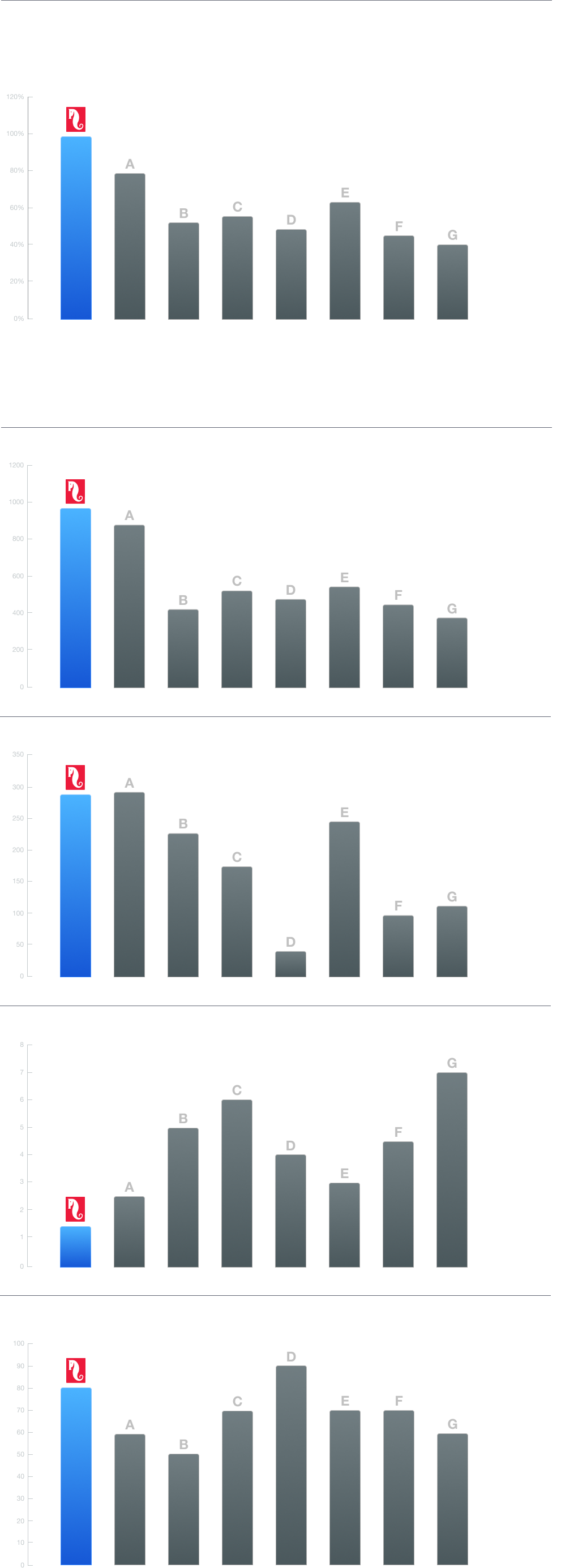
purity assessment
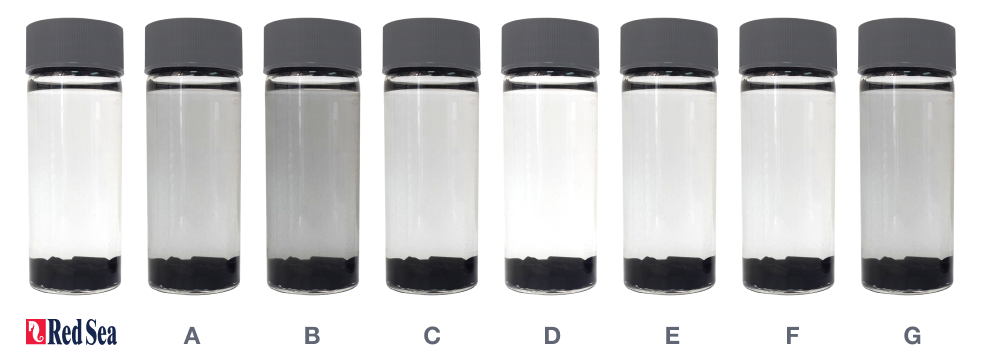
technical terms
iodine number:
Standard test performed to estimate the adsorption capacity of small molecules ranging from 10 Å to 15 Å. Recommended values for reef aquariums are above 850 mg/g, but the higher the number the better.
Methylene blue number:
Standard test performed to estimate the adsorption capacity of medium-sized molecules in the range of 15 Å to 40 Å. Recommended values for reef aquariums are above 250 mg/g, but the higher the number the better.
molasses number :
Non-standard test performed to estimate the adsorption capacity of large molecules above 40 Å. There are no recommended levels for reef aquariums as these molecules are removed by protein skimming.
Ash level:
A measure of the non-coal content of the product. This is usually the dust that is released from the coal into the water. The less the better.
Leachable phosphate:
A measure of the amount of residual orthophosphate that can be released from the carbon into the aquarium. The less phosphate, the better. For reef aquariums, the value should be less than 10 mg/kg. For the highest quality, the value will be less than 2 mg/kg.
Product density:
The density of the carbon at maximum packing efficiency in g/ml.
TSA (total surface area) – total area:
Size of the pore surface area for adsorption for a given mass of coal, measured by techniques such as BET nitrogen adsorption; expressed in units of m²/g. Recommended values are above 800 m²/g.
Pore volume:
The number of macro-, meso- and micropores. The ratio of TSA to pore volume – estimate of the active area in m2/ml.
Mesh size:
Measure the particle size range of the granular product. Recommended mesh size for water treatment is 8 x 30 mesh (0.6 x 2.4 mm).
 Deutsch
 Български
 Čeština
 Dansk
Dansk Nederlands
 English
 Eesti
Eesti Suomi
Suomi Français
 Ελληνικά
 Magyar
 Italiano
 Lëtzebuergesch
 Norsk bokmål
 Polski
 Română
 Русский
 Slovenčina
 Slovenščina
 Español
 Svenska
 Türkçe